
February 12, 2026
scroll
How to choose a wedding venue: What to look for beyond aesthetics
Photos make you fall in love with a venue. Logistics decide how the wedding actually feels. If you are wondering how to choose a wedding venue, the goal is to balance emotion with practical reality. A great venue supports guest comfort, makes timings easier, and prevents hidden costs from creeping in later.
This guide covers the questions that matter most, plus a simple way to compare venues without overwhelm.
Start with the experience you want guests to have
Before you look at spreadsheets, picture the rhythm of the day. Where do guests arrive and wait? Where do they go next? How do they move between spaces? A venue can be beautiful and still feel stressful if the flow is awkward.
Ask yourself what matters most: a relaxed welcome, a ceremony that feels intimate, a drinks hour with enough room to breathe, or a dinner space that feels warm and lively. When you are clear on the feeling, it becomes easier to assess whether the venue supports it.
Flow and layout: the questions that save you later
Flow is often the difference between a wedding that feels seamless and a wedding that feels stop-start.
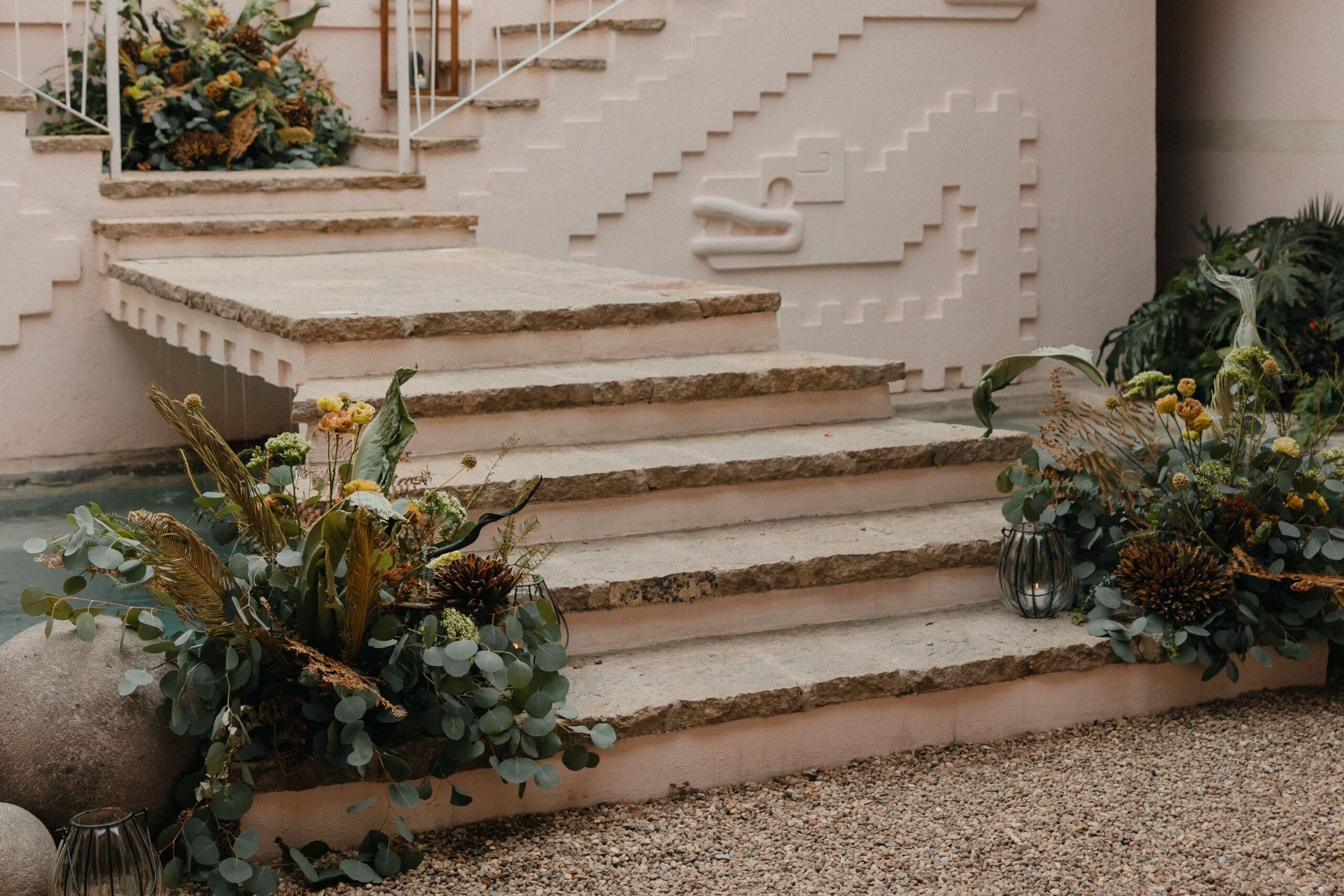
Ask where guests arrive and gather, and whether there is enough covered space if the weather turns. Check how far guests need to walk between ceremony, drinks and dinner. Look for pinch points such as narrow corridors, steep stairs, or a long trek to the loos.
If the venue requires a room flip, ask who manages it, how long it takes, and where guests will be during the changeover. A flip can work beautifully when it is planned properly. It feels chaotic when it is underestimated.
Plan B: not just possible, but genuinely good
Every venue has a plan B. The question is whether it still feels like the wedding you want.
Ask to see the plan B space set up as it would be used, not just pointed out on a tour. Check ceiling height, acoustics, lighting, and whether it feels like a real option or a compromise.
If you are considering an outdoor ceremony, ask where guests will wait before it begins, and whether there is a covered arrival area. Rain is not the only factor. Extreme heat, wind, and strong sun can create the same need to pivot.
Supplier access and restrictions
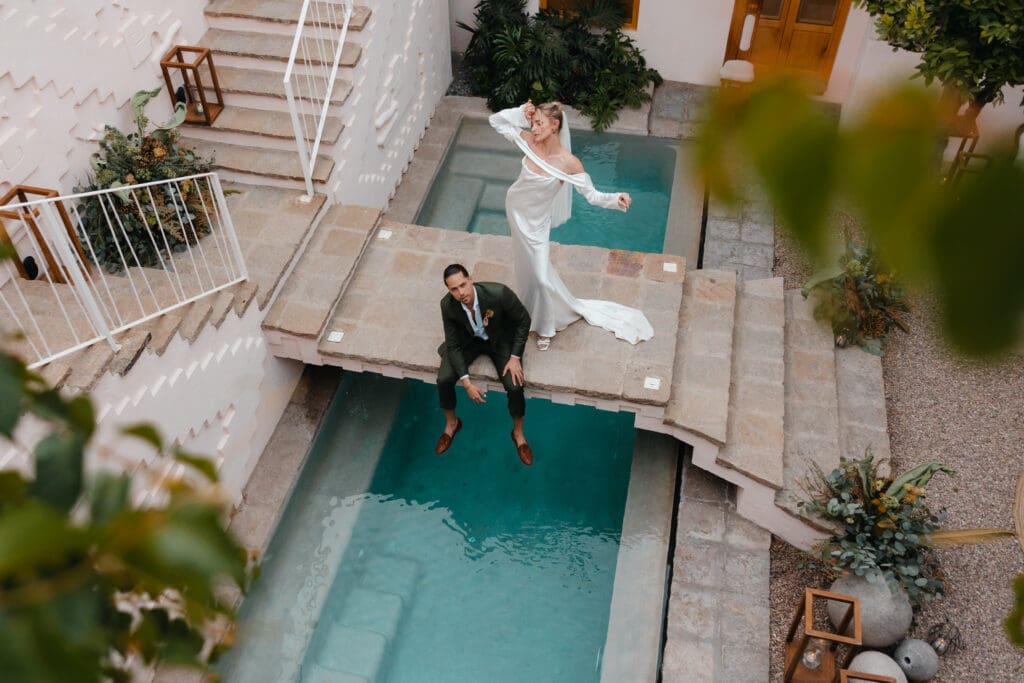
Supplier access affects both cost and stress. Confirm load-in and load-out times, where vehicles can park, and whether there are stairs, tight doorways, or long carries.
Ask about any supplier restrictions such as exclusive lists, corkage rules, sound limiters, fireworks policies, or curfews. None of these are necessarily deal-breakers, but they should be clear from the start so you can plan within the boundaries.
If you are using a marquee or private home, ask about power. Generator hire, additional distribution, and technical support can add up quickly.
The costs couples often miss
When people learn how to choose a wedding venue properly, they usually discover it is not just the hire fee.
Ask about staffing requirements, security, cleaning, and overtime. Check whether tables, chairs, glassware, and linens are included, and whether there are restrictions on what can be brought in.
If catering is in-house, ask how service style affects pricing. If catering is external, ask what facilities are available and whether a catering tent or additional equipment will be needed.
Bedrooms, accommodation, and logistics
If guests are staying on site or nearby, look at the practicalities. How many rooms are available, and what is the price range? Are there enough local options if the venue has limited accommodation?
If transport is needed, check the distance between ceremony and reception spaces, and whether there is a sensible route for coaches or taxis.
A simple way to compare venues
After each viewing, score the venue on three things.
First, how does it feel emotionally? Second, how easy is it to run operationally? Third, how transparent are the costs and rules?
If a venue scores highly on feeling but poorly on operations, that does not mean it is wrong. It simply means you need stronger planning, a more experienced supplier team, and a realistic budget for the additional work.
Choosing a venue is one of the biggest decisions you will make. When the venue supports flow, plan B options, and supplier access, planning becomes calmer and the wedding day feels effortless.
